 Promotion: 5% Discount Code: 5vip





Transparent Lock Pick vs Standard Lock Pick: Which Is Best for Learning
2026-03-02 11:39
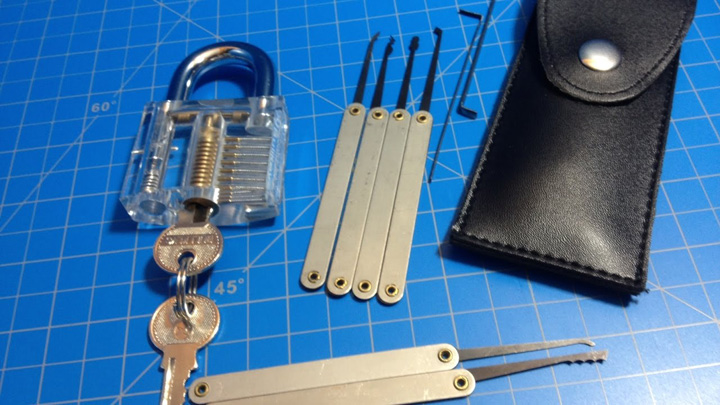
If you're new to lock picking, one of the first decisions you'll face is whether to start with a transparent lock pick or jump straight into using a standard lock pick on a regular lock. Both tools serve different purposes, and understanding their strengths and limitations can significantly impact how quickly and effectively you develop your skills.
In this guide, we'll compare transparent and standard lock picks across learning curve, skill development, realism, and long-term value to help you decide which is best for your training journey.
What Is a Transparent Lock Pick?
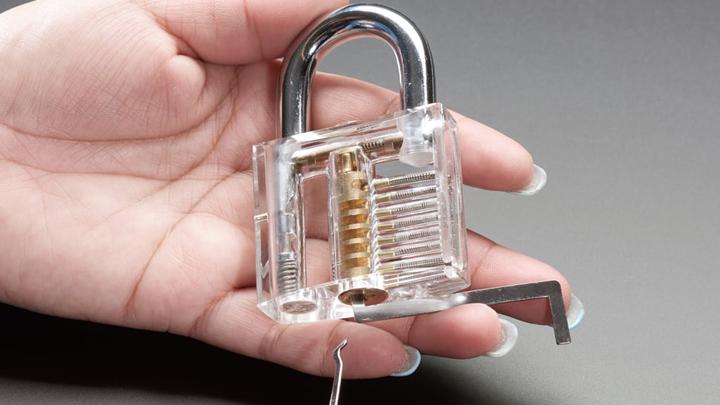
A transparent lock pick usually refers to a clear acrylic practice lock paired with a basic pick set and tension wrench. The lock body is see‑through, allowing you to observe the internal components — pins, springs, plug, and shear line — while actively manipulating them.
This visual access makes it much easier to understand core concepts such as:
• How pin tumbler locks function
• What happens when you apply tension
• How pins bind and set
• What causes a lock to open
Because you can literally see your mistakes, transparent locks are often marketed toward beginners.
Advantages of Transparent Lock Picks
1. Visual Learning Advantage
Seeing the pins move in real time creates a strong mental connection between theory and practice. Beginners can understand why a lock isn't opening rather than just guessing.
2. Faster Concept Grasp
New learners often struggle to understand binding order and proper tension. Transparent locks make these principles obvious and reduce confusion.
3. Reduced Frustration
Early frustration is one of the biggest reasons beginners quit. Transparent locks lower the difficulty curve and build confidence quickly.
Limitations of Transparent Lock Picks
However, transparent locks have drawbacks:
They are usually made of softer materials and have looser tolerances than real locks.
The feedback feels different compared to metal locks.
They don't replicate real‑world resistance or subtle pin behavior.
This means skills gained may not fully transfer to real locks without further practice.
What Is a Standard Lock Pick?
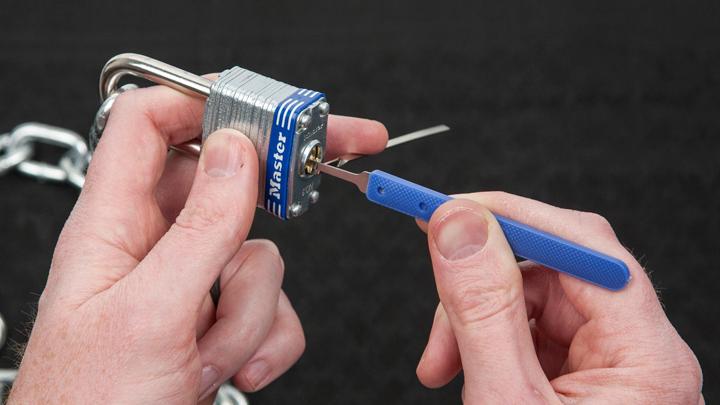
A standard lock pick refers to using traditional metal picks and tension tools on real metal locks — such as padlocks, deadbolts, or practice cylinders.
There's no visual aid here. You rely entirely on tactile feedback: slight clicks, changes in plug movement, and subtle resistance shifts.
Advantages of Standard Lock Picks
1. Realistic Experience
Standard locks provide authentic tolerances, realistic pin feedback, and accurate binding behavior.
2. Stronger Skill Development
Learning through touch strengthens your ability to detect subtle feedback — a critical skill for intermediate and advanced picking.
3. Better Long-Term Training
If your goal is serious lock sport practice or locksmith training, standard locks are essential.
Challenges of Standard Lock Picks
For beginners, though, they can be intimidating:
• No visibility into internal components
• Harder to diagnose mistakes
• Steeper learning curve
• Greater early frustration
Without understanding how a lock works internally, beginners may struggle to interpret what they feel.
Which Is Better for Learning?
The answer depends on your stage and goals.
For Absolute Beginners
A transparent lock pick is typically better for learning the fundamentals. It acts like a “training wheel” for your understanding of:
• Shear line alignment
• Pin stacking
• Proper tension control
The visual feedback speeds up comprehension dramatically.
For Skill Refinement
Once you grasp the basics, switching to standard locks becomes essential. This is where true tactile sensitivity develops. Standard locks train your fingers, not your eyes.
The Ideal Learning Path
For most learners, the best approach is progressive training:
1. Start with a transparent lock to understand mechanics.
2. Practice until you can consistently open it without looking.
3. Transition to beginner-level real padlocks.
4. Gradually increase difficulty and pin count.
This combination builds both knowledge and muscle memory.
Psychological Factors in Learning
Transparent locks boost confidence early. Quick wins help maintain motivation.
Standard locks, on the other hand, build patience and persistence — critical qualities in lock sport.
If you start only with standard locks and struggle repeatedly, you might assume you lack skill, when in reality you simply lack foundational understanding.
Transparent locks reduce that early discouragement.
Cost and Practical Considerations
Transparent lock kits are usually inexpensive and widely available. They're great introductory tools but shouldn't be your only training equipment.
Standard locks vary in quality and difficulty. Investing in a few progressive difficulty locks offers better long‑term value for serious learners.
If you're ready to get started, you can conveniently buy Lock Pick Sets at barhomevip.com to start practicing immediately. This ensures you have a quality training tool that helps accelerate learning.
Final Verdict
So, which is best for learning — transparent or standard lock picks?
• Transparent lock picks are best for understanding.
• Standard lock picks are best for mastering.
If you're brand new, start transparent to build confidence and conceptual clarity. Then move to standard locks to sharpen real‑world skills and develop tactile precision.
In short, the best learning method isn't choosing one over the other — it's using both strategically.
By combining visibility with real‑world practice, you'll progress faster, avoid unnecessary frustration, and build a stronger foundation in lock picking from day one.